belindaportfolio
A Portfolio of Care, Culture, and Innovation
Belinda Boateng
Introduction

My nursing journey began with a simple yet powerful motivation: the desire to make a meaningful difference in others' lives. Growing up, I often stepped into caregiving roles within my family and community without being asked. These early experiences planted the seeds of compassion and responsibility in me long before I entered a classroom or clinical setting. Over time, I realized that nursing was the field where I could transform these natural qualities into professional skills that improve the health and well-being of individuals and communities.
Studying Community Medicine and Health in Ghana introduced me to foundational concepts in health promotion, disease prevention, environmental health, and community outreach. The work was demanding, but it helped me understand the interconnectedness between people, culture, environment, and health. When I later trained and worked as a Personal Support Worker in Canada, I encountered new cultural expectations, communication styles, and healthcare structures. Each setting broadened my understanding of what it means to care for people from different backgrounds and with unique experiences.
Throughout these transitions, my passion for nursing only grew stronger. I learned that nursing is not defined by a set of tasks, but by a commitment to uphold dignity, compassion, cultural sensitivity, and scientific knowledge. It requires resilience, curiosity, and an ongoing desire to learn and adapt. My journey so far has helped me recognize that nurses do more than respond to illness. They advocate for people, build trust, and support healing through presence, skill, and respect. These values will continue to guide me as I pursue my professional goals.
My Nursing Philosophy

My nursing philosophy is grounded in the belief that caring is the core of nursing and that every individual deserves to be treated with dignity, respect, and cultural understanding. Nursing is both a science and an art. The science provides the evidence, technology, and clinical skills needed for safe practice. The art provides the compassion, communication, and relationship-building that make care meaningful. Together, they form a holistic approach that supports healing in its fullest sense.
Two theories strongly influence my perspective: Leininger’s Theory of Culture Care Diversity and Universality and Locsin’s Theory of Technological Competency as Caring. Leininger’s theory teaches that effective nursing care must be grounded in cultural understanding. It emphasizes that individuals’ beliefs, traditions, language, and values shape how they interpret illness, healing, and care (McFarland & Wehbe-Alamah, 2019). This aligns with my experiences working with diverse populations in both Ghana and Canada. Cultural respect is not optional in nursing. It is essential to build trust and provide safe, appropriate, and meaningful care.
Locsin’s theory holds that technology should enhance caring rather than replace it. According to Locsin, nurses who use technology thoughtfully can better understand patients and deliver safer, more efficient care without losing the human connection (Krel et al., 2022; Locsin, 2017). This theory resonates with the reality of modern healthcare, where electronic documentation, monitoring systems, simulation training, and digital tools are woven into daily practice. Technology is part of caring when it helps nurses understand patients and respond to their needs accurately.
Together, these theories shape my nursing identity. They remind me that nursing is holistic, relational, and evolving. Cultural sensitivity helps me approach patients with humility and openness, while technological competency allows me to deliver safe, evidence-based care. These ideas shape my behavior in clinical practice by guiding me to communicate respectfully, adapt care to cultural needs, use technology with confidence, and approach every interaction with curiosity and compassion.
My Values and Beliefs

My values as a nurse guide how I think, act, and interact with patients, families, and colleagues.
Human dignity reminds me to treat every person with respect, regardless of their circumstances.
Cultural sensitivity supports my ability to adapt communication and care practices to diverse backgrounds.
Compassion allows me to connect with patients emotionally and respond with kindness.
Integrity ensures that I remain honest, accountable, and ethical in all situations.
Professional responsibility motivates me to continue learning and maintain competence in a constantly changing field. Leininger’s focus on cultural meaning and Locsin’s emphasis on technological caring work together by showing that safe and effective nursing requires both cultural understanding and strong technical skill. These beliefs guide my clinical behavior today by helping me listen more attentively, provide care that respects cultural values, use digital tools responsibly, and communicate clearly and respectfully with patients and colleagues.
SMART Goals
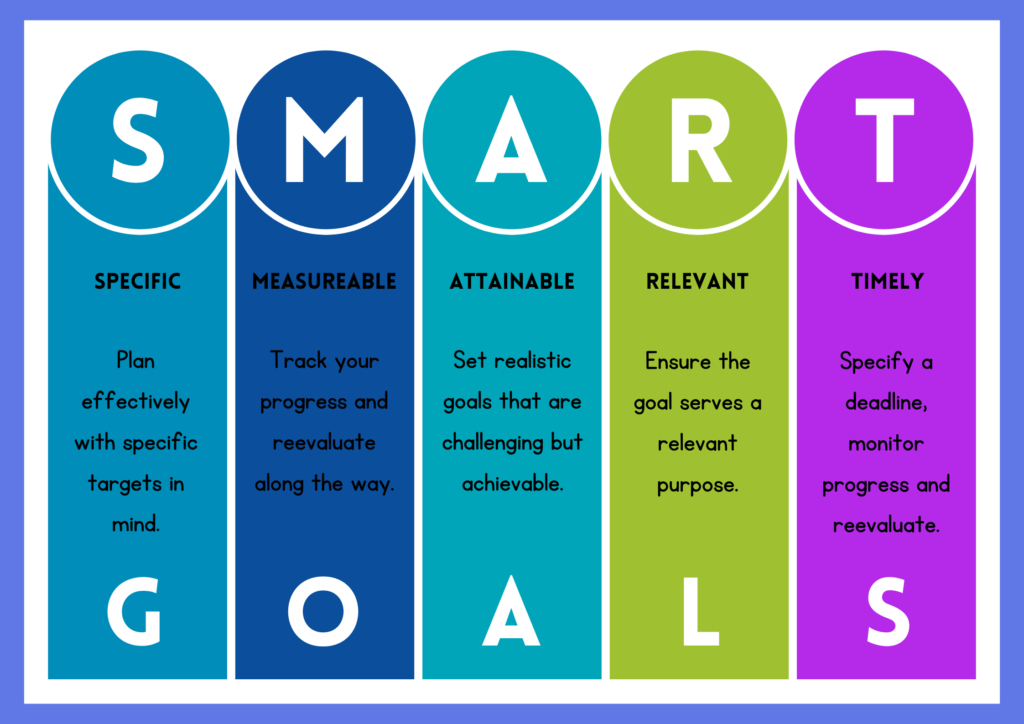
Setting SMART goals helps guide my learning, structure my clinical practice, and ensure I grow with intention. Each goal reflects my commitment to culturally attuned care, professional development, and the integration of technology into modern healthcare. These goals support my transition into increasingly collaborative, evidence-informed, and patient-centered nursing roles.
Goal 1 : By the end of this semester, I will enhance my culturally sensitive communication skills by identifying cultural needs, preferences, or barriers in at least two patient interactions per week. I will document these reflections to strengthen my cultural assessment abilities and improve patient-centered communication.
Goal 2: By the end of my placement period, I will strengthen my clinical documentation skills by completing accurate, clear notes within 15 minutes of each patient encounter. This practice will support continuity of care, improve shift handovers, and build confidence in the use of electronic charting systems in modern healthcare.
Reflection on My Nursing Journey

Reflecting on my journey from Ghana to Canada has helped me understand the depth of my transformation as a future nurse. My first transition was geographical, but it quickly became personal, emotional, cultural, and professional. Moving from Ghana, where community involvement and collective responsibility shaped my understanding of health, to a highly structured Canadian healthcare system challenged me to rethink how care is delivered and how patients define autonomy, choice, and trust. This shift forced me to develop cultural humility, adaptability, and reflective thinking, qualities that continue to shape my identity as a nurse.
I also experienced a major role transition. My foundation in Community Medicine taught me to view health through a preventive and holistic lens, focusing on population needs, environmental influences, and community engagement. When I became a Personal Support Worker, the focus shifted to direct bedside care, emotional support, and person-centered communication. Entering nursing education introduced yet another layer: critical thinking, evidence-based decision-making, cultural assessment, and technological competency. Moving through these roles taught me that nursing is not a fixed identity, but a constantly evolving one that grows through practice, reflection, and meaningful encounters with patients.
One insight I gained was the importance of cultural sensitivity in building trust and ensuring patient safety. A study by Kaihlanen et al. (2020) found that nurses who actively practice cultural humility communicate more effectively and reduce misunderstandings that could compromise care. This research confirmed what I witnessed in practice: patients open up more when they feel seen, respected, and understood. My thinking changed when I realized that cultural competence is not about memorizing facts about different cultures. It is about listening deeply, asking thoughtful questions, and acknowledging that every patient’s cultural experience is unique.
Technology also played an important role in my professional growth. At first, I feared that digital documentation and monitoring tools would distance me from patients. Over time, and with support from research such as Lerbæk et al. (2025), I learned that technology enhances safety and supports the nurse’s ability to know the patient more completely. Locsin’s theory strengthened this understanding by emphasizing that technological competency is a form of caring because it increases accuracy and reduces risk. This shifted my mindset. I no longer viewed digital tools as barriers, but as essential instruments that help me provide safe, efficient, and compassionate care.
Another lesson came from navigating ethical challenges, especially around autonomy and safety. Caring for older adults who wanted independence even when it posed risks made me feel conflicted at times. I struggled with wanting to protect them while also respecting their choices. Research by Clancy et al. (2021) helped me recognize that shared decision-making, open communication, and respect for dignity are essential in these situations. My thinking changed when I realized that autonomy and safety are not opposites. They are two parts of the same ethical conversation. This insight strengthened my confidence in patient-centered communication and ethical reasoning.
These experiences were not without personal challenges. I struggled with self-doubt during my transition into Canadian healthcare. At times, I felt overwhelmed by new expectations, documentation standards, and different communication styles. I had to adjust emotionally to being far from home and learning new approaches to care. I also had to accept that growth takes time. What helped me overcome these challenges was practicing self-reflection, asking for help, and reminding myself of the strengths I bring: resilience, cultural sensitivity, compassion, and a strong work ethic.
Through these transitions, I grew into someone who understands that nursing requires humility, courage, and continuous learning. I learned that effective care is not only about performing procedures, but about understanding the person in front of you. I learned that cultural sensitivity and technological competency are not competing forces, but complementary skills that support safe, holistic care. I learned that research is essential for shaping practice and strengthening the quality of care I provide. And I learned that my identity as a nurse is forming through every experience, challenge, and reflection.
These insights will guide my future practice by helping me remain open-minded, compassionate, and committed to evidence-based care. They will help me approach every patient with curiosity, humility, and respect. They will push me to stay up to date with technology while never losing sight of the human connection at the heart of nursing. Most importantly, these experiences have grounded me in the values of dignity, cultural sensitivity, and holistic care.
My journey from Ghana to Canada, from community health to PSW work to nursing education, has shaped me into a reflective, culturally aware, and technologically confident future nurse. I now understand that nursing is a lifelong journey of growth and service. I see myself becoming a nurse who advocates for equity, listens with purpose, and uses both compassion and evidence to guide my practice. Research, theory, and lived experience have all strengthened my belief that caring is not just part of nursing. It is the heart of nursing, and it will continue to guide the professional I am becoming.
Artifacts
Advanced Diploma in Community Medicine and Health

This diploma marks the beginning of my health education and introduced me to health promotion, community assessment, and disease prevention. These skills directly support nursing practice because health promotion is a central nursing responsibility. The assessments I learned in Ghana, such as environmental health reviews and community outreach strategies, now strengthen my ability to conduct holistic nursing assessments and advocate for patient needs. This artifact symbolizes my commitment to supporting individuals and communities through culturally informed care.
Clinical Photo in White Coat

This photo embodies the professionalism, trust, and ethical responsibility that characterize nursing. Wearing my white coat reminds me of my obligation to safeguard patient privacy, uphold ethical standards, and maintain professional behavior in all settings. The white coat symbolizes my readiness to step into the nursing role with integrity, competence, and respect for the responsibility patients place in their caregivers.
Personal Support Worker Certificate

My PSW certification marks the stage at which I gained essential foundational nursing skills. Working closely with patients taught me how to support activities of daily living, communicate with empathy, observe subtle changes in condition, and provide culturally competent care. These experiences taught me patience, respect, and the importance of maintaining dignity. The PSW role prepared me for nursing by strengthening bedside communication, therapeutic relationships, and hands-on caregiving.
Team-Based Clinical Simulation in Skills Lab

My simulation photos capture important stages of skill development, from newborn assessments and infection control to IV insertion and emergency response. These sessions strengthened my critical thinking, patient safety, and clinical communication skills. I practiced SBAR reporting, leadership during group simulations, and safe decision-making under pressure. These experiences helped me build confidence, practice teamwork, and integrate evidence-based protocols into real-world practice.
Notebook and Stethoscope

My notebook and stethoscope symbolize the tools that support reflective practice and accurate nursing assessment. The stethoscope reminds me of the importance of listening carefully and performing precise assessments. The notebook reflects my commitment to documentation standards, reflective journaling, and evidence-informed care. Writing down observations, questions, and reflections helps me improve my judgment and grow as a professional. These tools reflect my dedication to lifelong learning, accuracy, and clinical excellence.
Progress and Future Direction
Over time, I have become more confident in my assessments, more skilled in communication, and more sensitive to the cultural and emotional realities that shape each patient’s story. My experiences in both community health and bedside care have shown me that healthcare is a partnership rather than a one-sided service. Every assessment, teaching moment, and intervention works best when patients feel respected, informed, and involved in decisions. Looking ahead, I want to continue advancing in nursing while deepening my understanding of digital health and innovation. I hope to contribute to the design and use of technologies that are grounded in cultural sensitivity and real-world patient needs. My goal is to help create tools that make care easier for families and communities worldwide to access, understand, and navigate. I am proud of where I started, grateful for the mentors and patients who have taught me, and confident in the nurse and innovator I am becoming. As I move forward, I will continue to hold on to my core values, remain curious, and stay open to new possibilities that link nursing and technology in meaningful ways.
References
- Clancy, A., Simonsen, N., Lind, J., Liveng, A., & Johannessen, A. (2021). The meaning of dignity for older adults: A meta-synthesis. Nursing Ethics, 28(6), 878–894. https://doi.org/10.1177/0969733020928134
- Kaihlanen, A. M., Hietapakka, L., & Heponiemi, T. (2020). Increasing cultural awareness: Nurses’ experiences with a cultural competence training intervention. BMC Nursing, 19(1), 1–9. https://doi.org/10.1186/s12912-020-00458-3
- Krel, C., Vrbnjak, D., Bevc, S., Štiglic, G., & Pajnkihar, M. (2022). Technological competency as caring in nursing: A description, analysis and evaluation of the theory. Zdravstveno Varstvo, 61(2), 115–123. https://doi.org/10.2478/sjph-2022-0016
- Lerbæk, B., Kusk, K. H., Jørgensen, L., & Laugesen, B. (2025). Navigating the complexities of nursing documentation when patients have access to the content: A qualitative study. Journal of Advanced Nursing, 81(5), 2604–2616. https://doi.org/10.1111/jan.16502
- Locsin, R. C. (2017). The coexistence of technology and caring in the theory of technological competency as caring in nursing. Journal of Medical Investigation, 64, 160–164. https://doi.org/10.2152/jmi.64.160
- McFarland, M. R., & Wehbe-Alamah, H. B. (2019). Leininger’s Theory of Culture Care Diversity and Universality: An overview with a historical retrospective and a view toward the future. Journal of Transcultural Nursing, 30(6), 540–557. https://doi.org/10.1177/1043659619867134
Comments
Post a Comment